Why This College Has No Gym
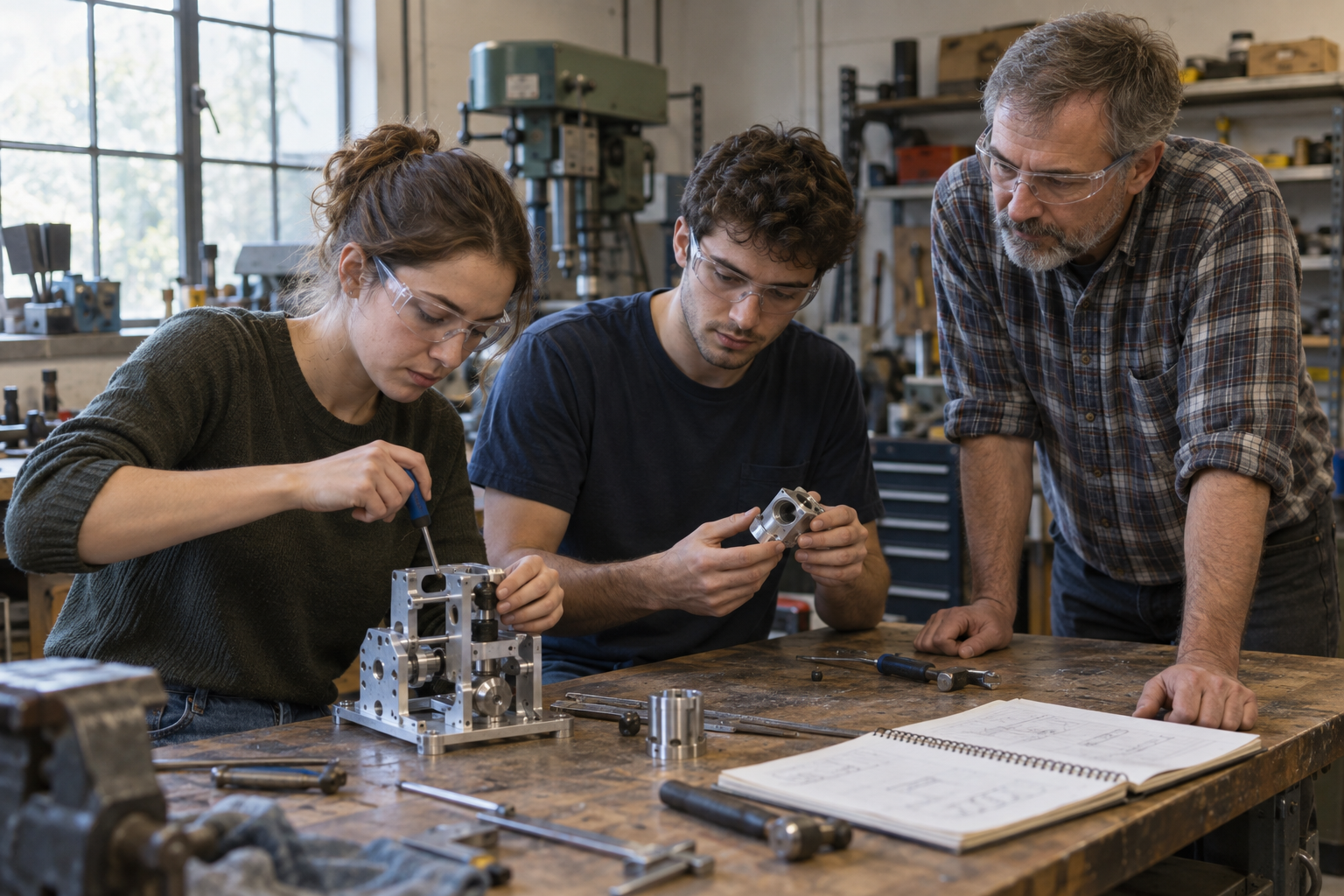
What would a college cost if its curriculum, campus, and relationship with work were designed together?
A new engineering college in Vermont plans to forgo a gym, a meal plan, and four years of residential life. I imagine those details appeal to anyone who has recently looked at a college bill. The savings interest me, too, but so does how these choices fit into the education the school intends to offer.
Greenway Institute plans to open its full undergraduate program in fall 2027. Students will spend two years in residential, project-based education, followed by two years in paid engineering jobs, earning academic credit with continued faculty mentoring. The school projects annual tuition below $25,000 and approximately $100,000 in earnings during the working years. Its goal is for students to graduate without debt, though those earnings will also need to cover taxes and living expenses. (Greenway Institute)
The proposal raises a question worth asking even if Greenway never becomes a model for other institutions. What would a college cost if its curriculum, campus, and relationship with work were designed together?
With half its students away at work, Greenway can plan for less residential capacity relative to its enrollment. Employers will provide the setting for much of the later coursework and pay students while they learn. Faculty mentoring is supposed to connect that experience to an education that extends beyond the demands of a particular job. The school says it will put money into teaching and mentoring while limiting expensive amenities. (Greenway’s model)
The engineering focus matters to the financing as much as the curriculum. Students need enough preparation to be useful to employers before completing their degrees. Their jobs must pay enough to help cover tuition and offer work substantial enough to support academic credit. Faculty then have to help students learn from those experiences. A shortage of suitable jobs would become an educational and financial problem at once.
There is a familiar strategy concept here. Michael Porter calls it “fit,” the way an organization’s activities reinforce one another. An individual feature may be easy to copy, while reproducing the relationships that make it work is much harder. (Harvard’s Institute for Strategy and Competitiveness)
A college could drop its meal plan tomorrow and still operate very differently from Greenway. Adding an internship requirement would only get it so far. Building two years of employment into a degree would require changes to courses and faculty responsibilities, along with employers willing to participate. Any savings would depend on working out those arrangements.
This is also why I am wary of treating everything outside the instructional budget as an obvious place to cut. An expense can look unnecessary when viewed on its own and turn out to support something the institution cares about. Other expenses may exist partly because of problems the institution has created for itself.
After seven years of advising, I have seen how highly specific curricular requirements can make it difficult for students to change direction. Someone has to figure out which completed courses still count and whether switching programs will delay graduation. Reducing advising staff would leave that problem intact. On the other hand, simpler requirements might reduce some of the work and give advisers more time to discuss what students want to study.
Greenway will have its own needs for support. Someone will have to maintain employer relationships and help students whose placements fall through. Faculty will need to assess learning across workplaces that offer different experiences. Spending on that work could be essential to the education. Knowing that an expense falls outside a category called “instruction” tells us little about whether it is worthwhile.
Established universities have less freedom to reconsider some of these arrangements. A residence hall may carry debt even when its beds are empty. Students who enrolled for a conventional campus experience can reasonably object when it changes. Departments rely on one another’s courses. Asking every office to trim its budget is easier than renegotiating those commitments, even when the result is the same work spread among fewer people.
Greenway has some room to make different choices because it is starting with a particular student in mind. Its founders describe the program as an option for students who already know they want to pursue engineering. Someone who wants substantial paid experience may welcome the arrangement. Someone hoping to explore several unrelated fields may choose another college. Greenway needs enough students who want what it offers, and its founders appear willing to accept that others will go elsewhere. (The Hechinger Report and NPR)
Whether enough students and employers will participate remains to be seen. Greenway has run pilots, and the full program still faces accreditation and the challenge of securing well-paid placements. Students will also take on expenses and responsibilities that a conventional college handles for them. They still have to eat when there is no meal plan. Evaluating the model will require looking at what students spend and learn, along with what the institution saves.
I appreciate that Greenway’s founders are making these choices openly. They are asking how an engineering education could work and building the institution around their answer. The missing gym belongs in that discussion, as does the faculty mentoring they intend to retain.
For other organizations, too, the difficult budget question is how changing one activity affects the rest of the operation. That takes more work than identifying an expensive line item. A university considering Greenway should be able to explain both why it would keep its gym and why it would cut it. Either choice could make sense. The answer ought to have something to do with the education it is trying to provide.