What Happens When Rebellion Gets Organized?
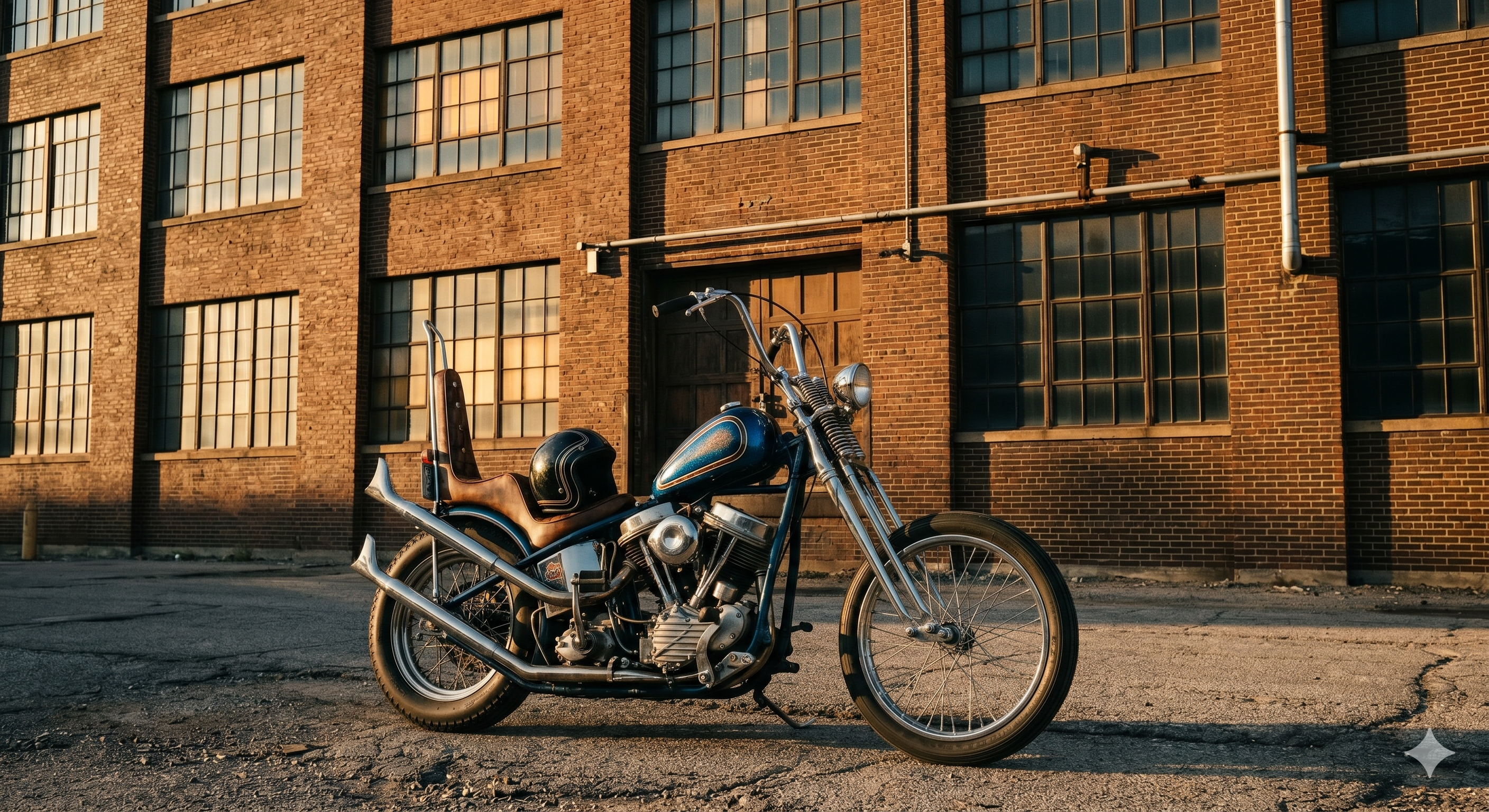
Spring is one of the best times of year to ride in Ohio. Bikes come out of garages, the weather finally turns, and even a short ride can feel like a small act of freedom.
That feeling is a big part of what makes motorcycles so culturally powerful. They are not just machines. They carry ideas about independence, risk, identity, and escape. Even people who have never ridden one recognize the image of the open road and the sense that a motorcycle represents something freer and less settled than ordinary transportation.
But as someone who rides and also studies organizations, I find myself interested in a slightly different question. What happens when that image of freedom becomes organized?
I have been writing a lot lately about higher education, but my broader research interests have always been about organizations. How do they create meaning? How do they build commitment? How do they manage legitimacy when their purposes or practices are contested? Universities are one place where those questions show up. Startups and social ventures are others. But they also show up in less expected places, including outlaw motorcycle clubs.
I should be clear that this is not a finished research project. It is an early line of thinking, and part of the reason I am writing about it here is to see whether the puzzle resonates outside my own notes. Outlaw motorcycle clubs are an unusual place to think about organizations, but that is partly why I keep coming back to them. They make some familiar organizational tensions unusually visible.
When I say “outlaw motorcycle clubs,” I mean clubs that identify with the outlaw biker tradition rather than ordinary recreational riding groups. The Hells Angels, the Outlaws, the Bandidos, and the Pagans are the best-known examples. They are often associated with the “one percenter” label, which signals separation from mainstream motorcycling and conventional respectability.
Most people who recognize these clubs probably think about them through the lens of rebellion. That makes sense. The image is loud bikes, visible patches, hard reputations, and a posture of being outside ordinary rules. Popular culture tends to present outlaw clubs this way, emphasizing danger, resistance to authority, masculinity, and freedom.
That image is not entirely wrong. But it is incomplete.
What interests me is that the most durable outlaw motorcycle clubs do not simply reject organization. In many ways, they depend on it. They may reject mainstream authority, but they often create intense internal authority. They may present themselves as symbols of freedom, but they are sustained through rules, hierarchy, ritual, obligation, and discipline.
The image is freedom. The mechanism is discipline.
That is the paradox I find interesting.
Rebellion Needs Rules
From the outside, outlaw motorcycle clubs can look like groups built mainly around motorcycles, rebellion, and resistance to authority. But clubs that endure over time require more than people who like to ride and see themselves as outsiders. They need boundaries, roles, expectations for behavior, ways of managing conflict, and symbols that distinguish insiders from outsiders.
In other words, rebellion, if it is going to last, has to be organized.
A club is not just a group of people. It is a social world. It has to answer basic organizational questions. Who belongs? Who decides? What must members do? What happens when someone violates expectations? How is status earned? How is loyalty demonstrated? How is the club’s image protected?
Those questions are not unique to motorcycle clubs. They show up anywhere people are asked to commit themselves to a shared identity.
Outlaw motorcycle clubs make this especially visible because the surface image seems anti-organizational. They are associated with freedom and rule-breaking. Yet the clubs themselves often operate through demanding internal structures. The apparent rejection of order depends on another kind of order.
Membership, Hierarchy, and Symbols
One of the first organizational questions is who gets to belong.
Outlaw motorcycle clubs are not simply open communities of motorcycle enthusiasts. Belonging is controlled. People do not just declare themselves members. They are evaluated, sponsored, tested, and socialized. There are insiders and outsiders, full members and prospects, people who wear the symbols and people who do not.
In other words, the club is partly defined by who gets in, who does not, and what people have to go through before they are accepted. That process does more than screen people. It teaches them what the organization is. It communicates what counts as loyalty, what kinds of behavior are valued, and what the club expects from those who claim its identity.
There is also hierarchy. Many clubs have officers, ranks, and formal roles. Titles such as president, vice president, sergeant-at-arms, road captain, prospect, and full-patch member are not incidental. They structure decision-making, status, discipline, and responsibility.
This complicates the simple image of rebellion. The rejection is not necessarily a rejection of hierarchy itself. It is often a rejection of outside hierarchy. The club may resist police, employers, conventional respectability, or mainstream social expectations while still demanding obedience, loyalty, and deference within the club.
Lewis Coser called some high-commitment organizations “greedy institutions,” meaning they make unusually strong claims on members’ loyalty, identity, and commitment. Outlaw motorcycle clubs are not interesting only because they are deviant or controversial. They are also high-commitment organizations. The cultural image is freedom, but belonging may require deep obligation.
Symbols matter too. In many organizations, symbols are basically branding. A logo goes on a website, a coffee mug, or a recruiting brochure. But in high-commitment organizations, symbols can do much more. They can carry identity, obligation, memory, hierarchy, and belonging.
For outlaw motorcycle clubs, patches, colors, vests, names, and insignia are not casual decorations. They mark membership. They signal status. They communicate affiliation to outsiders. They also help members understand themselves as part of something larger than individual preference.
This also connects to Erving Goffman’s work on social performance. Organizations do not only have identities. They perform them for audiences. In outlaw motorcycle clubs, that performance is visible in the bikes, patches, rides, rituals, public presence, and reputation. The outlaw image has to be maintained, not merely claimed.
In that sense, the patch is not just a patch. It is identity, status, history, and obligation made visible.
Deviance as a Resource
For me, the most interesting part of this topic is deviance.
Most organizations want to be seen as legitimate. They want to be trusted, approved of, and understood as appropriate. They want customers, regulators, investors, employees, and the public to believe they belong.
Mark Suchman, an organizational theorist, famously described legitimacy as the perception that an organization’s actions are desirable, proper, or appropriate within a broader system of norms, values, and beliefs. Put more simply, most organizations want to be seen as normal, credible, and acceptable.
Outlaw motorcycle clubs are different because they often draw power from a more complicated relationship with legitimacy. They may not seek broad mainstream approval. In fact, part of their identity may depend on not having it.
That raises the question I keep turning over. What if deviance is not only a liability for some organizations, but also part of how they build identity, loyalty, and influence?
That question has to be handled carefully. I am not romanticizing violence, excusing harm, or treating criminal activity as admirable. The point is analytical, not celebratory. Some organizations operate in ways that are damaging, coercive, or illegal. But if we want to understand how they endure, we have to examine how their reputations work.
For some groups, being feared, mythologized, or seen as outside ordinary rules can become a source of power. A hard reputation can deter rivals. It can attract people who want belonging, status, or protection. It can make outsiders cautious. It can create a mystique that is difficult to separate from the organization’s practical influence.
In most organizational settings, illegitimacy is treated as something to overcome. The goal is to become more acceptable, more respectable, more trusted. But outlaw motorcycle clubs suggest a more complicated possibility. Some groups may strategically live in the tension between legitimacy and illegitimacy. They may want respect from some audiences, fear from others, loyalty from insiders, and distance from mainstream approval.
They do not simply fail to become respectable. They may not want respectability on ordinary terms.
Freedom Inside a Demanding Collective
The central paradox, then, is that outlaw motorcycle clubs are culturally associated with freedom, but organizationally sustained through constraint.
That contrast is easy to miss because the public image is so focused on the open road, independence, and rebellion. But the organizational reality includes membership rules, loyalty, hierarchy, discipline, and obligation.
That does not mean the freedom is fake. People may genuinely experience riding, brotherhood, and club life as forms of freedom. But it is not freedom without limits. It is freedom inside a demanding collective identity.
The same tension shows up in more ordinary organizations too.
Many organizations promise some form of freedom, meaning, belonging, or authenticity. Startups promise autonomy and impact, but often demand long hours and intense identification. Social ventures promise purpose, but can make it hard for people to question sacrifice when the mission feels morally important. Universities celebrate inquiry and independence, but are also shaped by hierarchy, status competition, and bureaucratic routines.
The form varies, but the tension is familiar. Organizations often attract people with a promise of meaning and then sustain themselves by asking for commitment, discipline, and sacrifice.
Outlaw motorcycle clubs make this tension visible because the contrast is so sharp. The cultural image says no rules. The organizational reality says different rules.
Even Rebellion Needs Rules
Outlaw motorcycle clubs are easy to dismiss as fringe, deviant, or purely criminal. But if we only see the rebellion, we miss the organization.
Their durability depends not only on motorcycles, danger, or mythology. It also depends on the disciplined production of belonging. That means boundaries that define who is inside, symbols that make identity visible, hierarchies that structure authority, and reputations that shape how both insiders and outsiders respond.
That is why I find them interesting. They remind us that organizations are not only instruments for efficiency or strategy. They are also places where people make meaning, perform identity, protect symbols, build loyalty, and decide what kind of legitimacy they want, or whether they want mainstream legitimacy at all.
The open road may symbolize freedom.
But even rebellion needs rules if it is going to last.